
In the world of mechanical engineering, few debates are as persistent as the one surrounding the most reliable method for preventing fastener loosening. The contest pits the physical power of the Lock Washer against the chemical might of Threadlocker.
In fact, neither is an absolute winner. The optimal choice depends entirely on the specific application, environment, and required maintenance.
1. 🔍 The Contenders: How They Work (And How They Fail)
Understanding the fundamental mechanism behind each solution is key to making an informed choice.
The Mechanical Solution: Lock Washer
A lock washer is a form of mechanical locking device designed to prevent fastener movement by increasing friction or tension.
- Traditional Washers (Split/Star): These rely on friction or embedding into the mating surfaces for retention.
- The Modern Champion (Wedge Lock Washer vs Threadlocker): Advanced technology, such as that used by Nord-Lock, utilizes inclined ramps to lock the bolt and nut by tension rather than friction. This is why the search term “Wedge Lock Washer vs Threadlocker” is growing in popularity—it represents the modern mechanical standard.
The Chemical Solution: Threadlocker
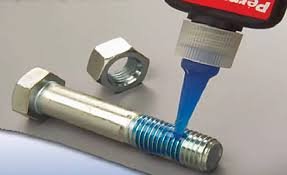
Threadlockers (often searched by their leading brand Loctite vs. locking washers) are anaerobic adhesives that cure in the absence of oxygen and metal ions.
- Working Principle: It chemically bonds the mating threads together, filling the microscopic gaps within the thread assembly.
- Added Benefit: It also seals the thread connection, offering superior resistance to corrosion and leakage.
2. ⚔️ Head-to-Head: Performance and Practicality
(This section will contain a comparison table, as per the previous structure, though the text content was not provided for translation.)
| Feature | Lock Washer (Wedge-Type) | Threadlocker (Anaerobic) |
| Anti-Vibration | Excellent, relies on tension mechanism. | Superior, especially for Threadlocker Vibration Test results. |
| Reusability | Excellent. Easily disassembled and reused. | Poor. Bolts must be cleaned and reapplied for subsequent use. |
| Disassembly | Easy. | Varies by strength (Removable Threadlocker is easier). Red strength often requires heat. |
| Surface Prep | Minimal cleaning required. | Requires clean, oil-free threads for optimal bond |
| Extreme Temp | Generally better, especially in extreme heat. Threadlocker High Temperature Washer use required. | Limited by chemical formulation; special high-temp formulas are necessary. |
| Sealing | None. | Excellent, seals against liquids and gases. |
3. 🏆 The Verdict: Context is King
To answer “Which Wins?” you must consider the limitations of temperature, maintenance, and vibration in your specific application.
Where Lock Washer Wins:
- High Temperature Applications: In environments exceeding the specified temperature limits of chemical Threadlockers, a robust, high-grade steel Lock Washer can maintain its performance.
- Frequent Maintenance: If the connection requires frequent disassembly and reassembly, the quick and clean operation of a Lock Washer saves significant time and cost compared to cleaning and reapplying adhesive.
Where Threadlocker Wins:
- Extreme Vibration: In environments subjected to continuous, severe vibration, the performance of a quality Threadlocker vs Lock Washer performance comparison often favors the adhesive. Its chemical bond is highly effective at stopping microscopic displacement.
- Sealing and Corrosion: In moist or corrosive environments, the Threadlocker simultaneously locks and seals the joint, offering protection that a mechanical washer cannot achieve.
- Small Fasteners: For very small screws, the Threadlocker is easier to apply and usually provides a more reliable lock than miniature washers.
4. Conclusion: The Modern Engineering Approach
For critical applications—especially in demanding fields like Automotive Plastic Fasteners or the growing Plastic Fasteners EV sector—many manufacturers employ a premium Wedge Lock Washer to maintain preload, and a Removable Threadlocker for enhanced safety and sealing.
Ultimately, the true “winner” is the solution that meets your project’s reliability and cost requirements without compromising safety.