1.What Is a Pan Head Screw?
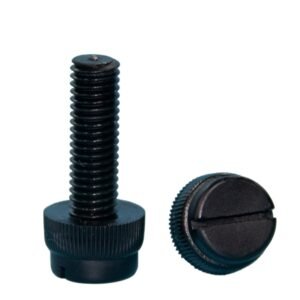
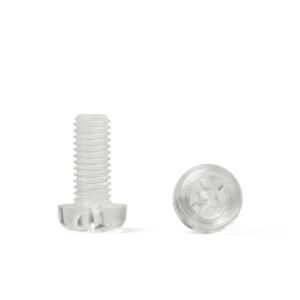
Pan Head Screw(pan-head screw) features a flat bearing surface and a semi-rounded, disc-shaped head. Compared to a Round Head Screw, the pan head is wider, offers better load distribution, and provides a cleaner finished appearance.From the traditional Phillips Pan Head Screw to advanced Torx Pan Head Screws, their versatility has made them a staple of modern engineering.
Common variations include:
- Phillips Pan Head Screw / Pan Head Phillips Screw
- Slotted Pan Head Screw / Pan Head Slotted Screw
- Torx Pan Head Screw / Pan Head Torx Screw / Pan Head Torx Screws
- Hex Socket Pan Head Screw / Pan Head Hex Socket Screw
- Pan Head Machine Screw
- Pan Head Self-Tapping Screw / Pan Head Self Tapping Screw
- Pan Head Self Drilling Screw / Pan Head Tek Screws
- Pan Head Wood Screw
2.Material and Specification Diversity
The Pan Head Screws is available in virtually every common fastener material, customized for specific performance needs.
1. Materials
| Material Class | Common Grades | Core Characteristics | Keyword Examples |
| Stainless Steel | 304 (A2), 316 (A4) | Excellent corrosion resistance; 316 offers superior resistance to chlorides and salt (marine grade). | stainless steel pan head screw, stainless steel pan head screws, stainless steel self tapping screws pan head |
| Carbon Steel | Low/Medium Carbon | High strength, cost-effective; requires coatings (zinc, black oxide) for corrosion protection. | pan head machine screw |
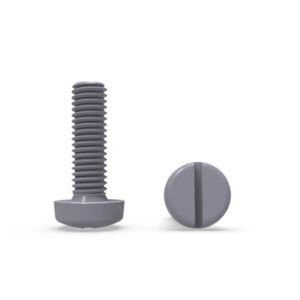
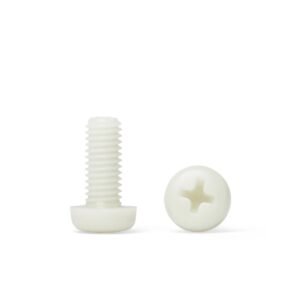
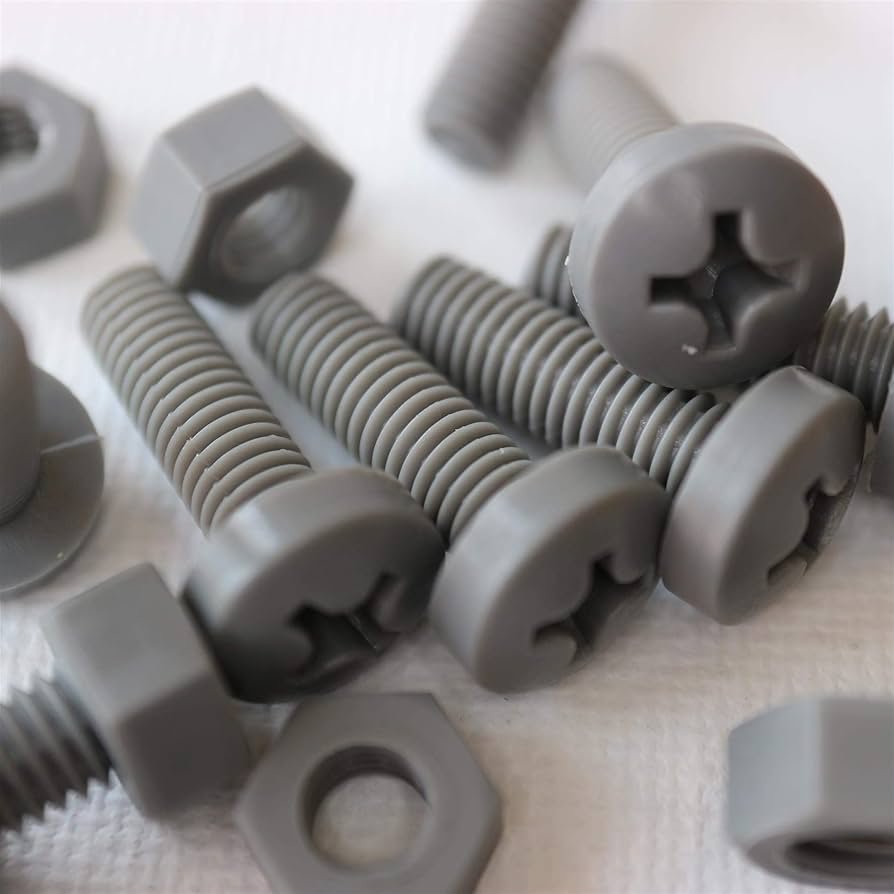
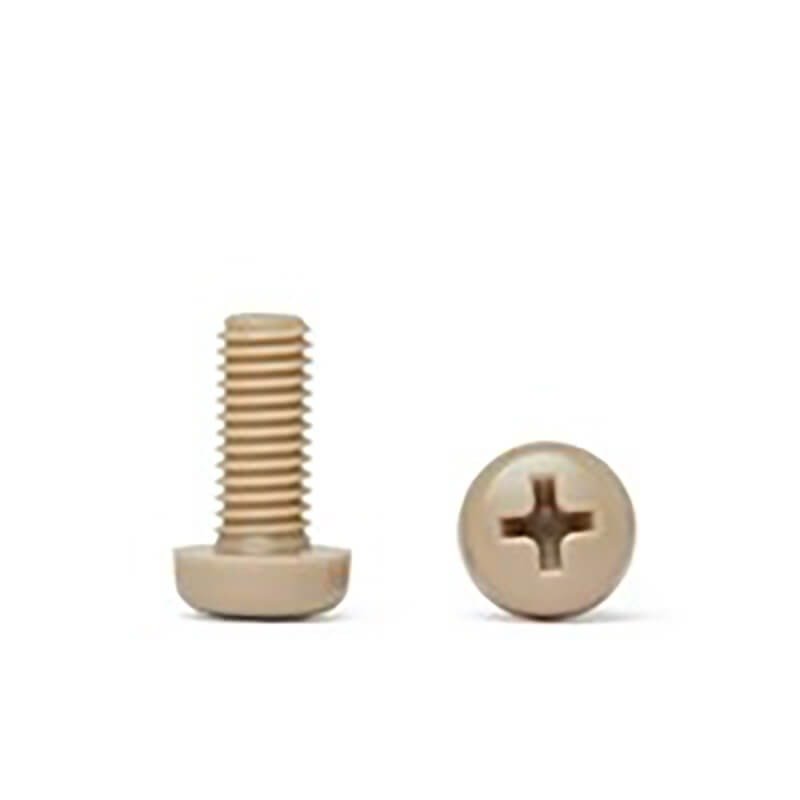
| Plastics/Polymers | Nylon screws | Electrical insulation, lightweight, highly chemically resistant. | Nylon screws, Plastic fasteners, Plastics/Polymers |
2. Specifications and Finishes
Screws are specified by diameter (gauge) and length (e.g., m6 x 20mm pan head screw, 8 pan head screw, 10 pan head screw, 1 1 2 pan head screws). Common finishes include black pan head screws (often black oxide or black zinc) and white pan head screws (white zinc).
3.Structure: Head Type and Drive Style
The pan-head screw gets its name from its resemblance to an inverted frying pan. Its large diameter compared to the shank allows for significant load distribution.
1. Head Type
- Pan Head: The standard, general-purpose head shape. While sometimes loosely referred to as a Round Head Screw, the Pan Head is flatter and features a subtle conical curve beneath the head, which enhances pull-through resistance.
2. Drive Style (Slot Type)
The drive style dictates the tooling required and the maximum torque capacity:
| Drive Type | Common Term | Key Advantage | Keyword Examples |
| Cross/X-Slot | Phillips Pan Head Screw | Excellent centering and high-speed driving capability. | pan head phillips screw, Phillips Pan Head Screw |
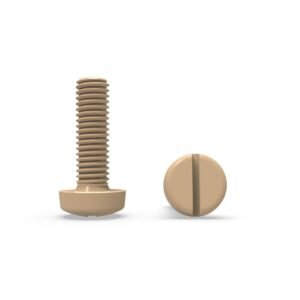
| Single Slot | Slotted Pan Head Screw | Historical, simple, operable with basic flat tools. | Pan Head Slotted Screw |
| Star/6-Lobe | Torx Pan Head Screw | Superior torque transfer and virtually eliminates cam-out (slipping). | pan head torx screws, torx pan head screw |
| Internal Hex | Hex Socket Pan Head Screw | Used for high-torque mechanical assemblies. | Pan Head Hex Socket Screw |
4.Key Performance Characteristics
- Wide Bearing Surface:The large head distributes load evenly and prevents material damage.
- Clean Appearance:Ideal for visible installations.
- Easy Installation:Compatible with multiple drive systems.
- Strong Compatibility:Works with metal, wood, plastics, and composite materials.
- Material Flexibility:From black pan head screws to stainless steel pan head screws, there is a solution for every environment.
5.History and Applications
1. History
The early Pan Head Screws primarily utilized the Slotted Pan Head Screw design. The true revolution in fastener history occurred with the introduction of the Phillips drive in the 1930s. The Phillips Pan Head Screw allowed for automated assembly lines by enabling the driver to self-center, drastically increasing manufacturing speed.
2. Primary Use Types
The Pan Head style is popular across various screw types:
- Machine Screws: Pan Head Machine Screw are precision fasteners used with tapped holes or nuts.
- Self-Tapping/Self-Drilling: Pan Head Self-Tapping Screw (e.g., self tapping pan head screws, stainless steel self tapping screws pan head) or pan head self drilling screw (pan head tek screws) are used to cut their own mating thread, often into sheet metal or plastic.
- Wood Screws: Pan Head Wood Screw (e.g., 3 4 pan head wood screws) are used for fastening wood to wood.
6.Advantages and Disadvantages
| Advantages (Why choose a Pan Head) | Disadvantages |
| Excellent Load Distribution | The head sits above the surface, meaning it cannot be used in applications requiring a smooth, flush surface finish. |
| High Driving Torque | The head profile offers good surface area for tool engagement, especially with Torx drives. |
| Easy Removal | The exposed head is simple to access with hand tools. |
| Versatility | Works well with thick or soft materials where countersinking is undesirable. |
7.Future Development and Market Space
The pan-head screw remains an essential fastener, but its future development is focused on specialized materials and improved driving systems:
- High-Performance Materials: Increased demand for Plastics/Polymers like PEEK or high-strength Nylon (Nylon screws) for applications needing electrical insulation, extreme lightness, or chemical inertness (e.g., specialized battery assemblies).
- Driving Systems: Continued shift towards Torx pan head screws due to their superior performance in automated, high-torque industrial settings, virtually eliminating the stripping risk common with Phillips drives.
- Specialized Fastening: Growth in specialized variants like pan head tek screws (self-drilling) and specific geometry fasteners (like kreg pan head screws) designed for optimized joint performance in construction and furniture making.
- Aesthetics and Security: Demand for specialized coatings (pan head screws black) and anti-tamper pan head torx screws or screws requiring pan head screw covers for better visual integration and security.